Fish ID Chart

What did I just catch, what do the locals call it, and can I eat it?

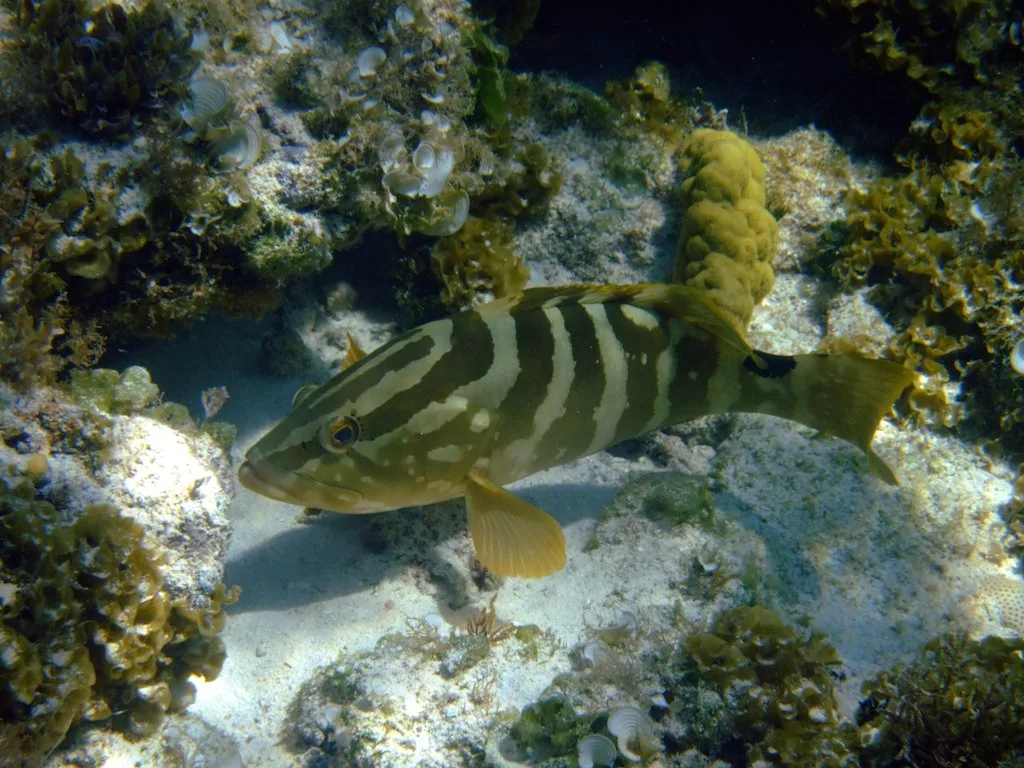
Nassau grouper
Photo: lowjumpingfrog from Salt Lake City, USA / CC BY 2.0, via Wikimedia Commons

Reef

Nassau grouper

Epinephelus striatus

Locals say: Grouper

How to spot it
Tan with five dark vertical bars, a dark "tuning fork" mark on the forehead and a black saddle spot near the tail.
Where
Coral reefs and ledges, often resting near holes.
Eating
Excellent — a Bahamian favorite.
Rules
Closed Dec 1 – end of Feb. Minimum 3 lb.
Black grouper
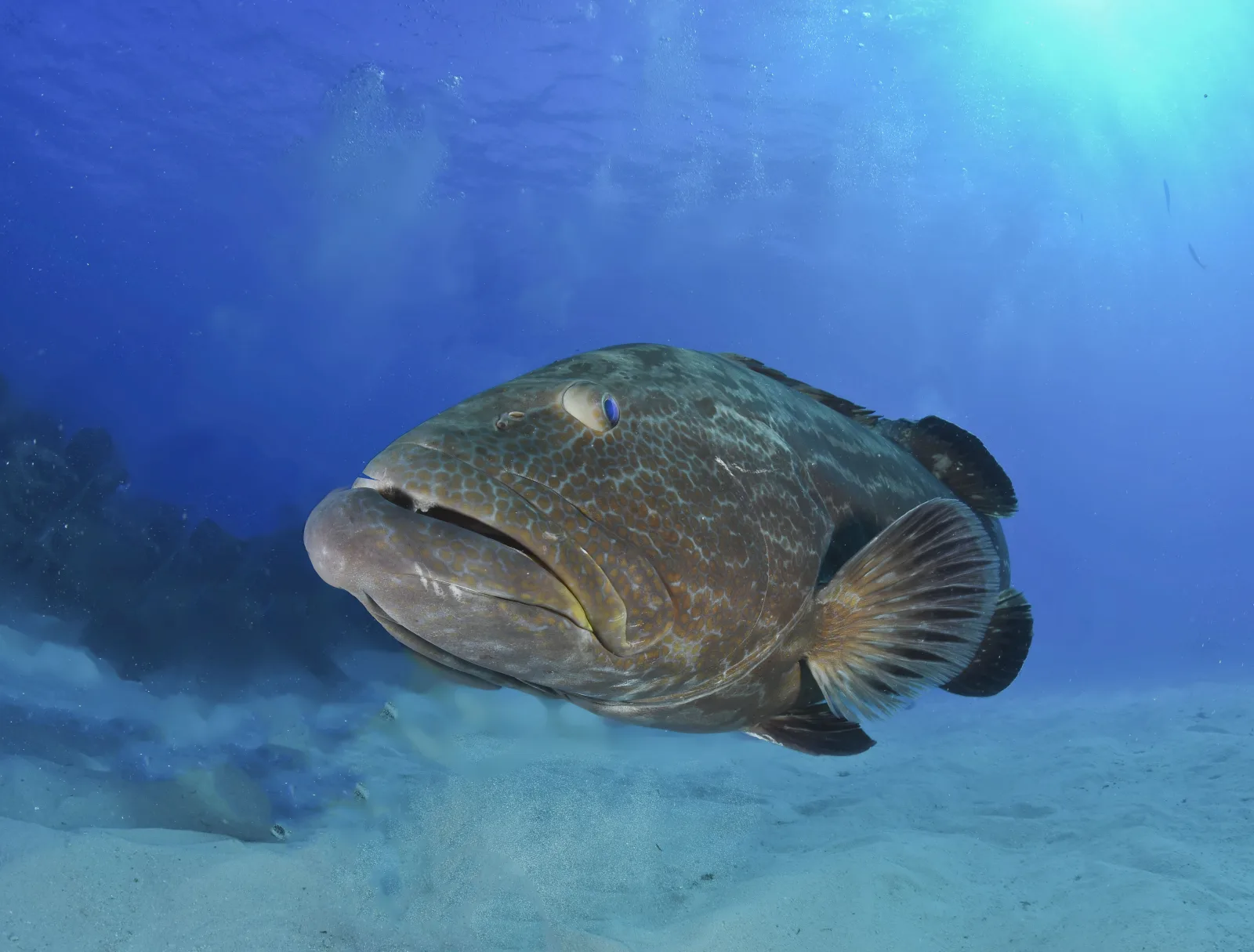
Photo: Albert kok / CC BY-SA 4.0, via Wikimedia Commons

Reef

Black grouper

Mycteroperca bonaci

How to spot it
Olive to grey with rectangular brassy blotches. Larger and longer than a Nassau grouper.
Where
Deeper reefs and drop-offs.
Eating
Excellent. Very large fish carry some ciguatera risk.
Rules
Counts toward the demersal limit.
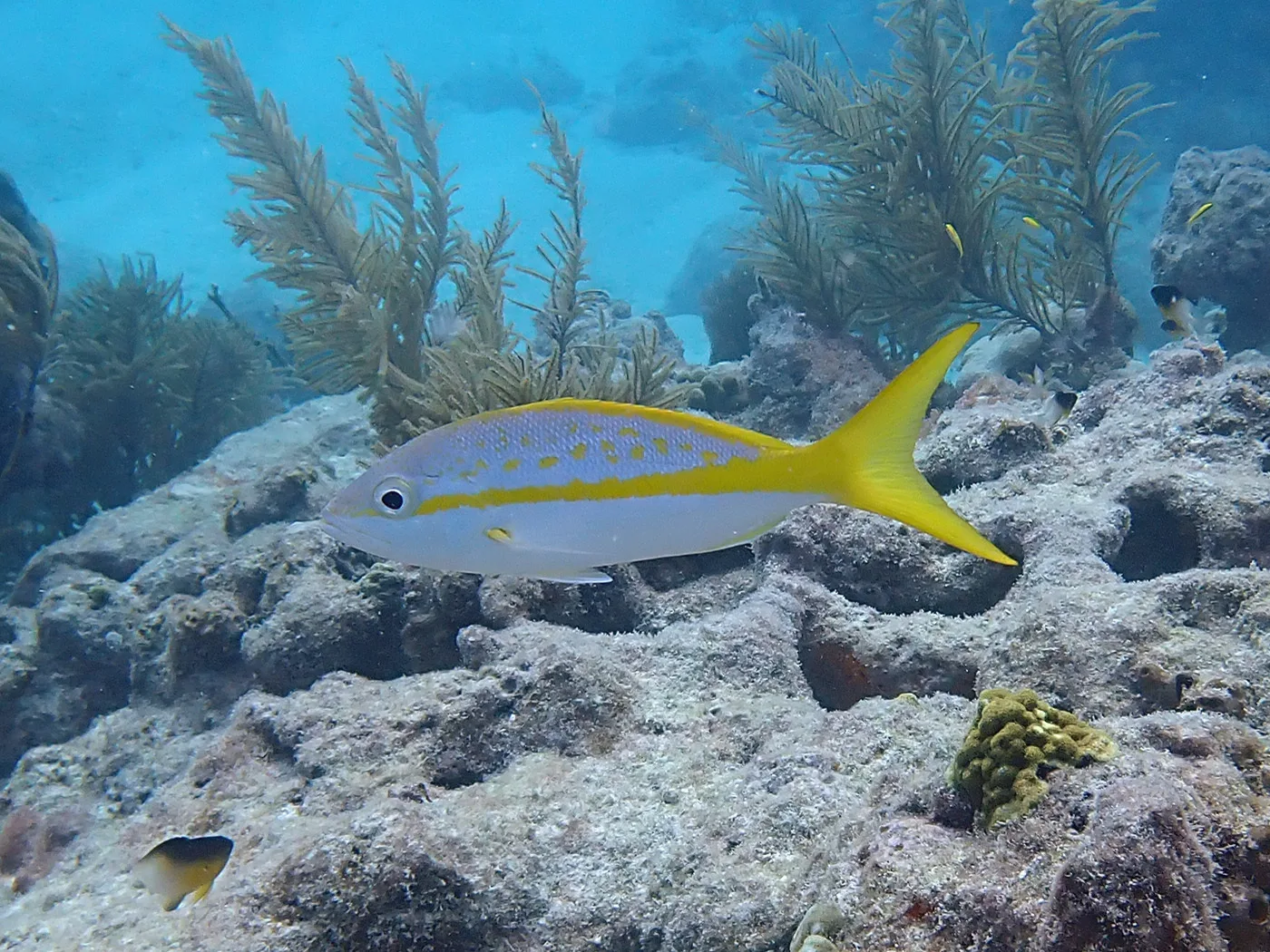
Yellowtail snapper
Photo: Zygy / CC0, via Wikimedia Commons

Reef

Yellowtail snapper

Ocyurus chrysurus

Locals say: Yellowtail

How to spot it
Bright yellow stripe running from the snout to a deeply forked yellow tail.
Where
Over reefs, often chummed up to the boat.
Eating
Excellent — mild and flaky.
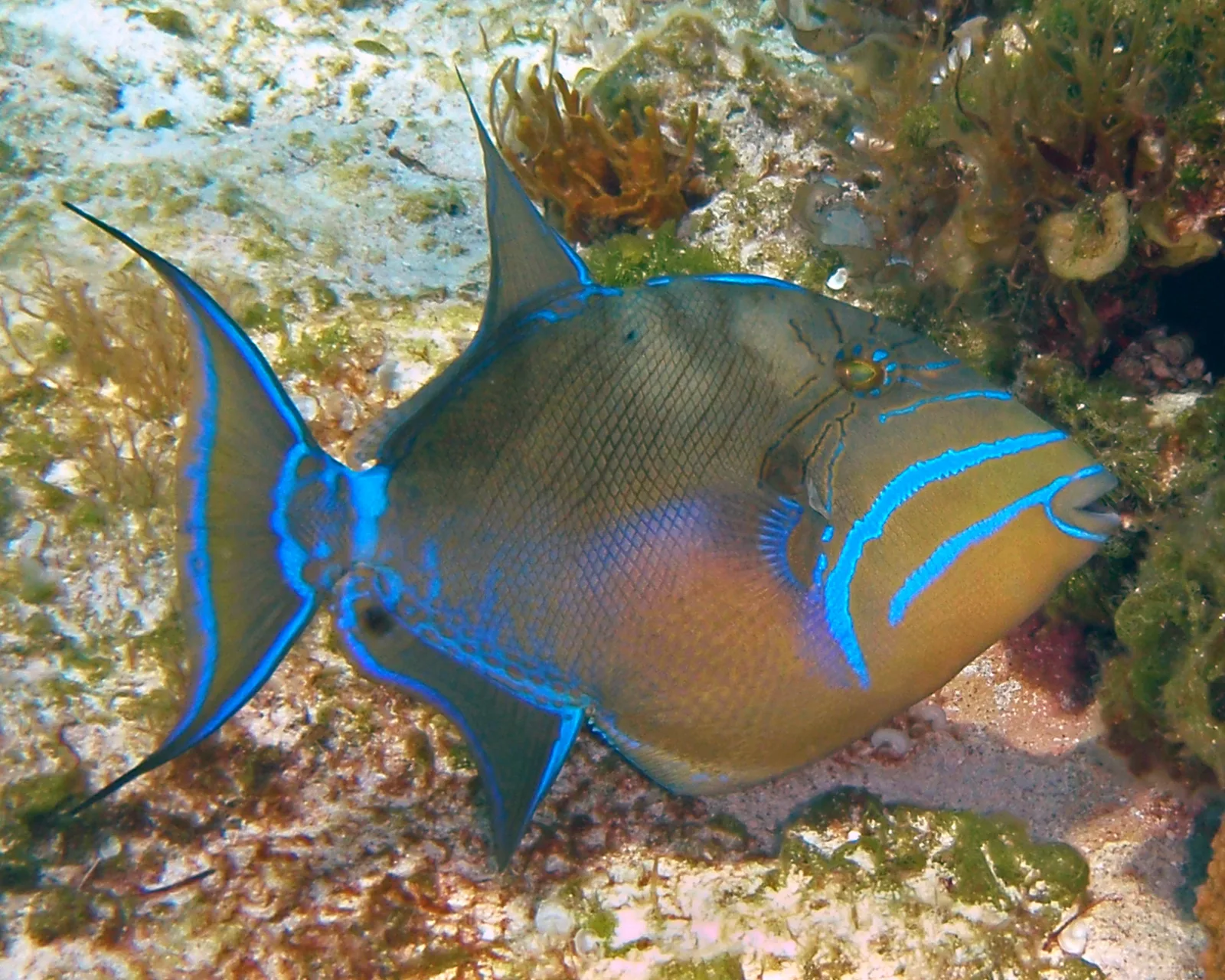
Queen triggerfish
Photo: James St. John / CC BY 2.0, via Wikimedia Commons

Reef

Queen triggerfish

Balistes vetula

Locals say: Turbot

How to spot it
Blue and yellow with bright blue lines on the face and long trailing fin tips. Tough, leathery skin.
Where
Reefs and rubble.
Eating
Very good once skinned — the "turbot" of Bahamian menus.
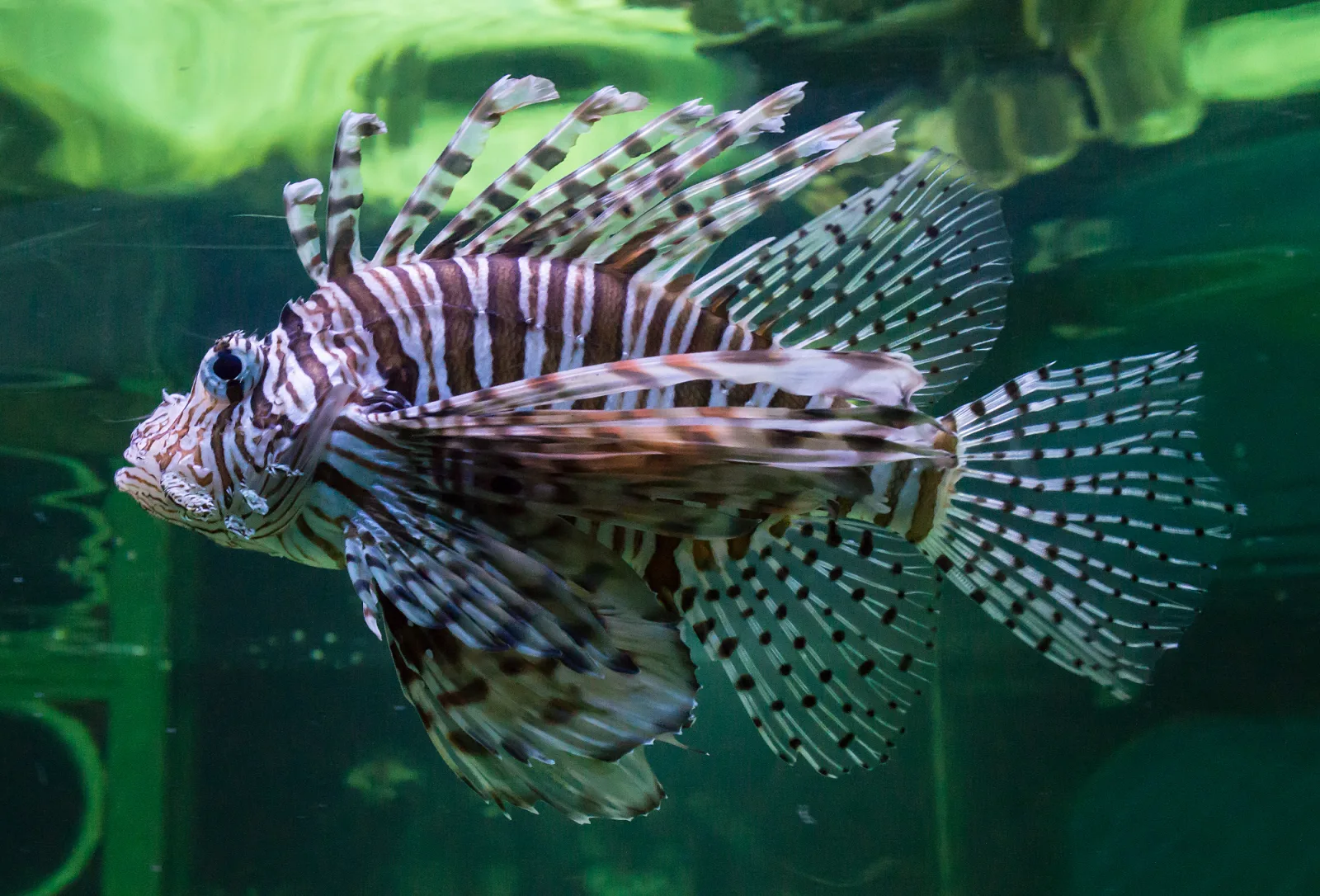
Lionfish
Photo: Lewis Hulbert / CC BY-SA 4.0, via Wikimedia Commons

Watch out

Lionfish

Pterois volitans

How to spot it
Red-and-white stripes with long, feathery, venomous spines.
Where
Everywhere: reefs, wrecks and docks. It is invasive.
Eating
Delicious once the spines are removed.
Rules
Invasive — spear or catch as many as you like. Handle with care, because the spines are venomous.
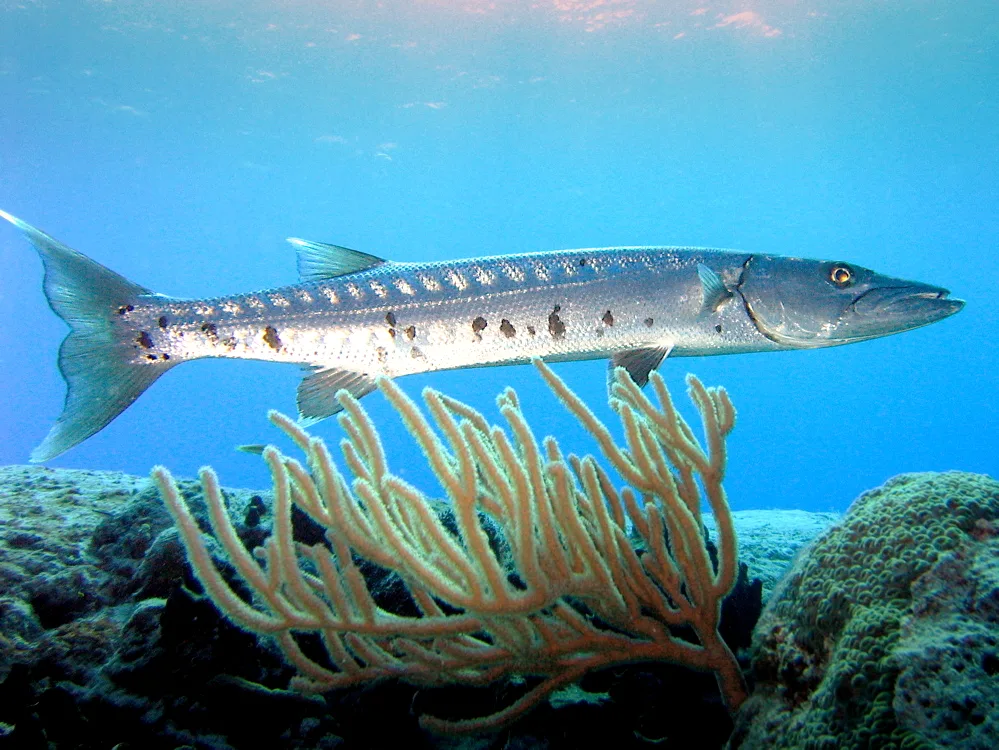
Great barracuda
Photo: Unknown author / Public domain, via Wikimedia Commons

Watch out

Great barracuda

Sphyraena barracuda

Locals say: 'Cuda

How to spot it
Long silver body with dark blotches on the lower sides and a mouth full of fangs.
Where
Flats, reefs and open water.
Eating
Most locals avoid eating them because larger fish can carry ciguatera.
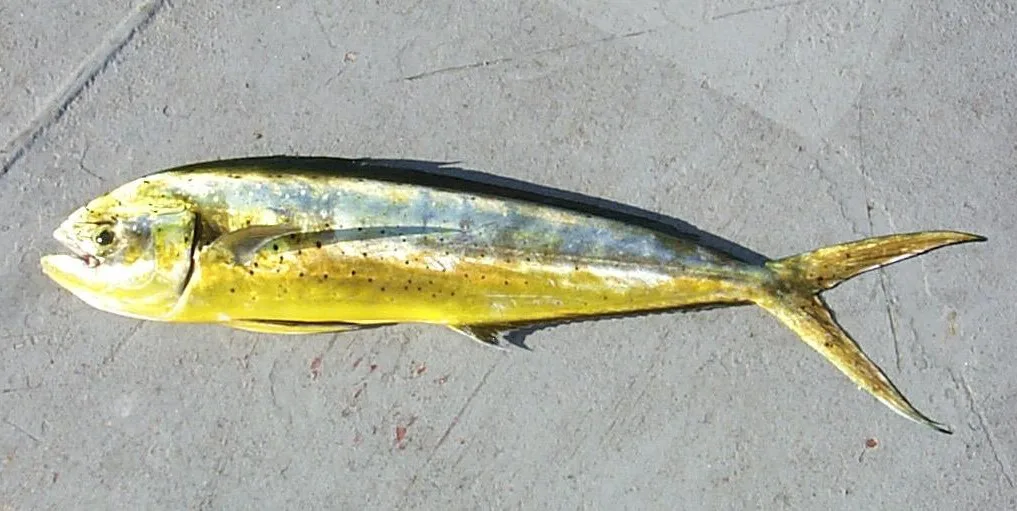
Mahi-mahi
Photo: Brandi Noble / Public domain, via Wikimedia Commons

Offshore

Mahi-mahi

Coryphaena hippurus

Locals say: Dolphin

How to spot it
Electric green, blue and gold. Bulls have a tall, blunt forehead.
Where
Offshore, often under weed lines and floating debris.
Eating
Excellent.
Rules
Part of the 18-fish pelagic limit per vessel.
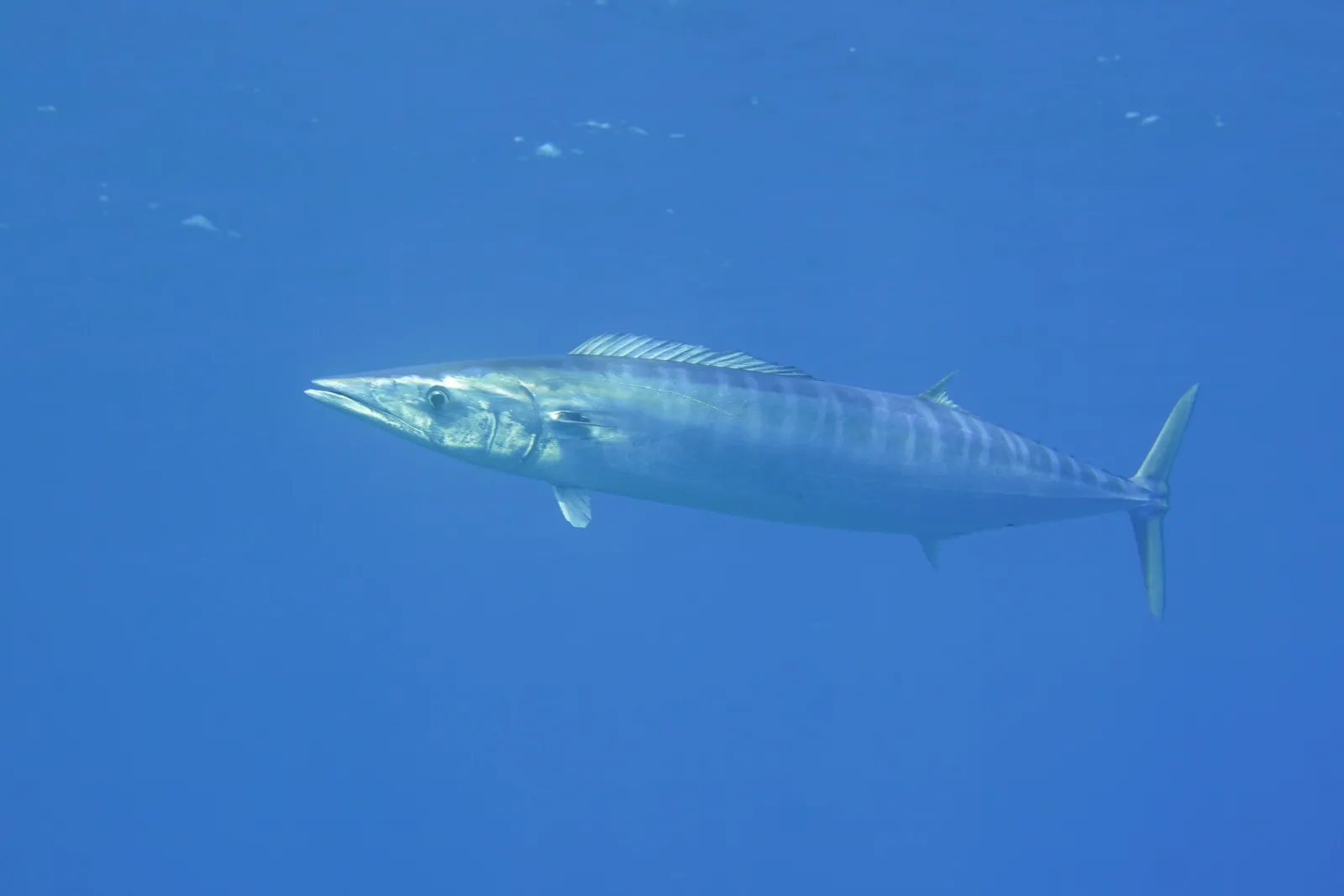
Wahoo
Photo: michael_bommerer / CC BY 4.0, via Wikimedia Commons

Offshore

Wahoo

Acanthocybium solandri

How to spot it
Long, torpedo-shaped body with tiger-like blue bars and a beak-like snout. Very fast.
Where
Deep water along the drop-offs.
Eating
Excellent — firm white meat.
Rules
Part of the 18-fish pelagic limit per vessel.
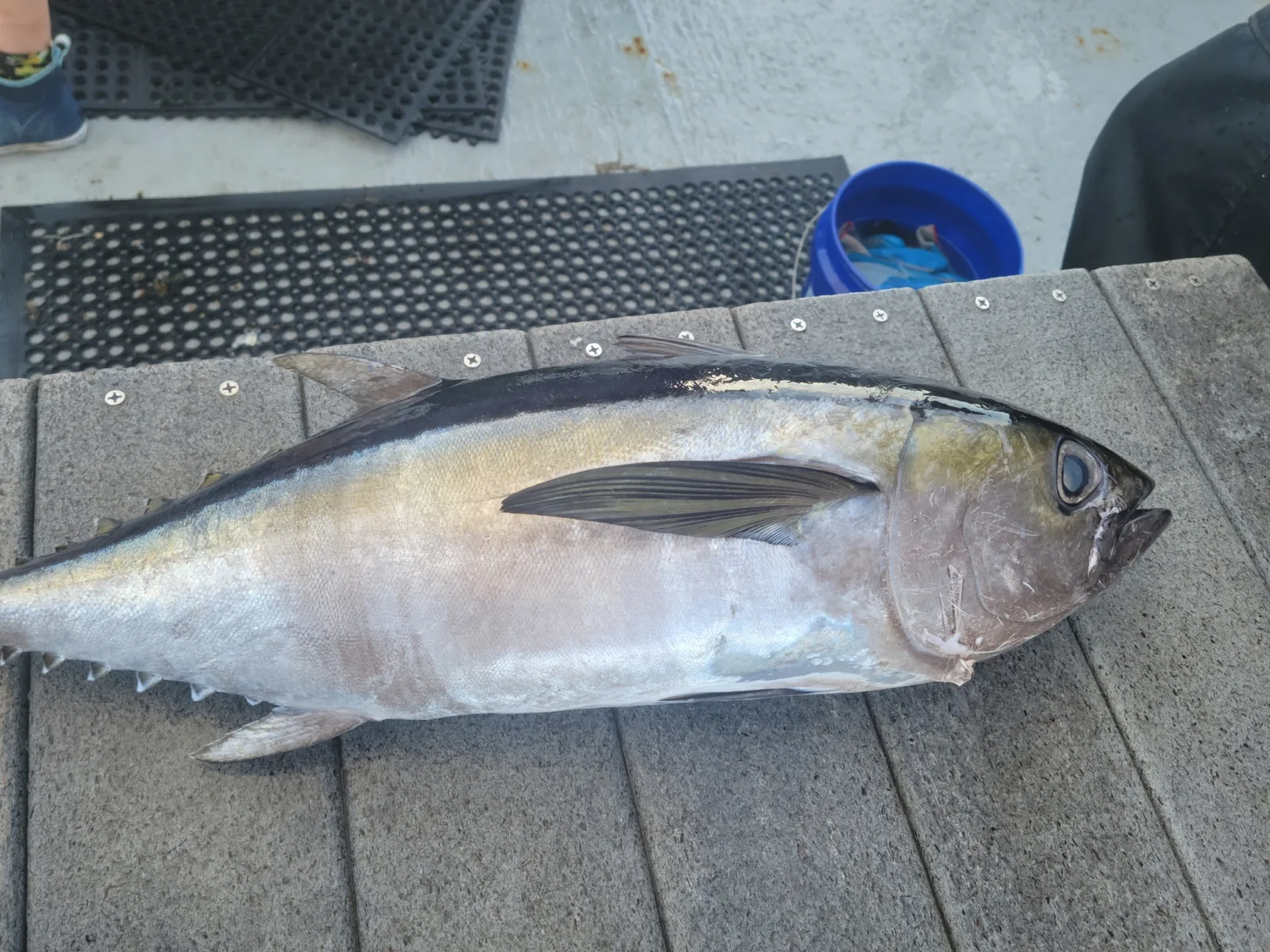
Blackfin tuna
Photo: Ryan Watson / CC BY 4.0, via Wikimedia Commons

Offshore

Blackfin tuna

Thunnus atlanticus

How to spot it
Smaller tuna with a dark back and dusky, not yellow, finlets.
Where
Offshore and along the drop-offs.
Eating
Very good.
Rules
Part of the 18-fish pelagic limit per vessel.
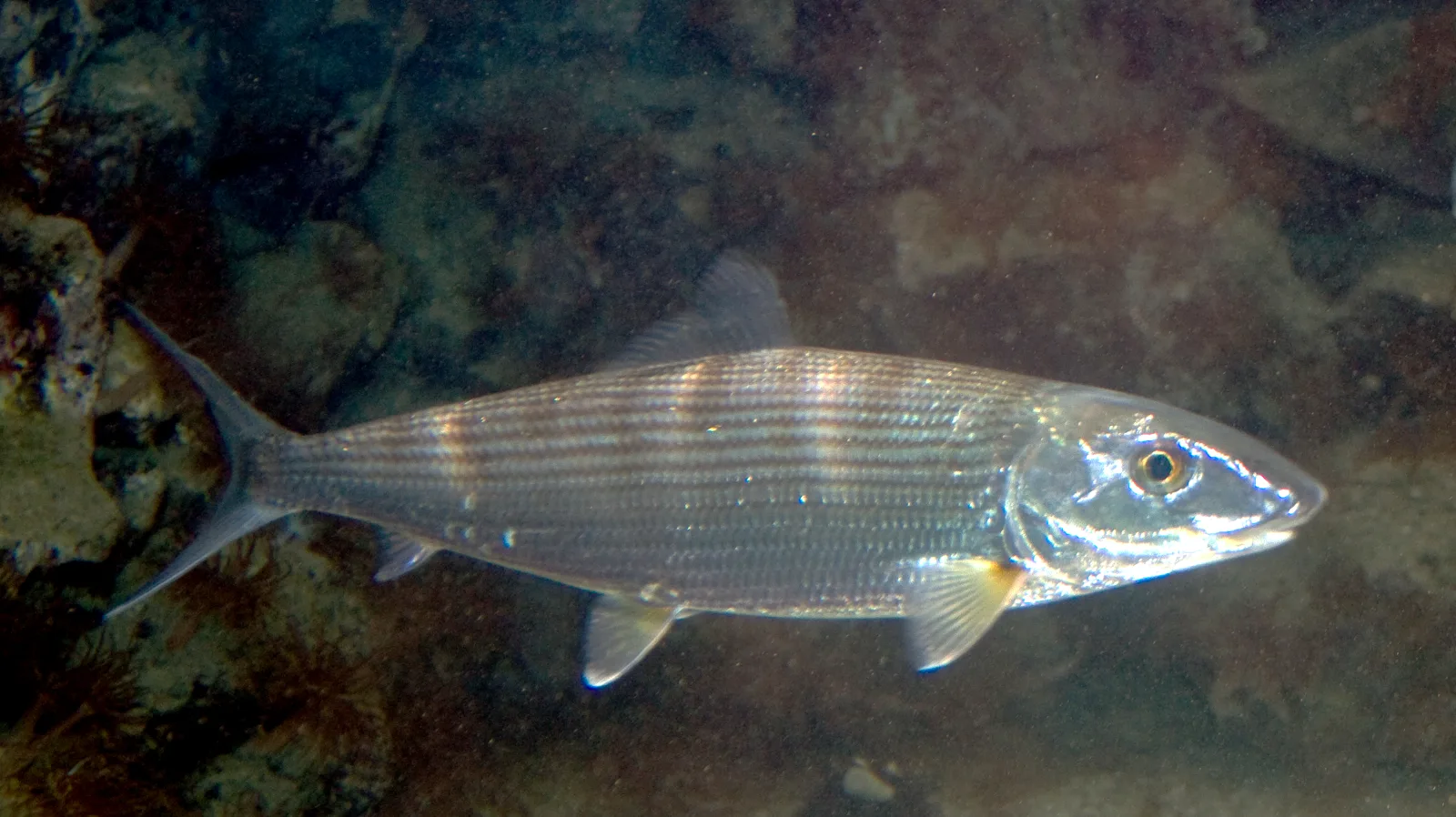
Bonefish
Photo: Brian Gratwicke / CC BY 2.0, via Wikimedia Commons

Flats

Bonefish

Albula vulpes

Locals say: Bones

How to spot it
Silver "ghost of the flats" with a pointed, downturned snout and faint dark stripes along the back.
Where
Shallow sandy and grassy flats.
Eating
Catch and release only.
Rules
Catch and release. A flats fishing licence is required.
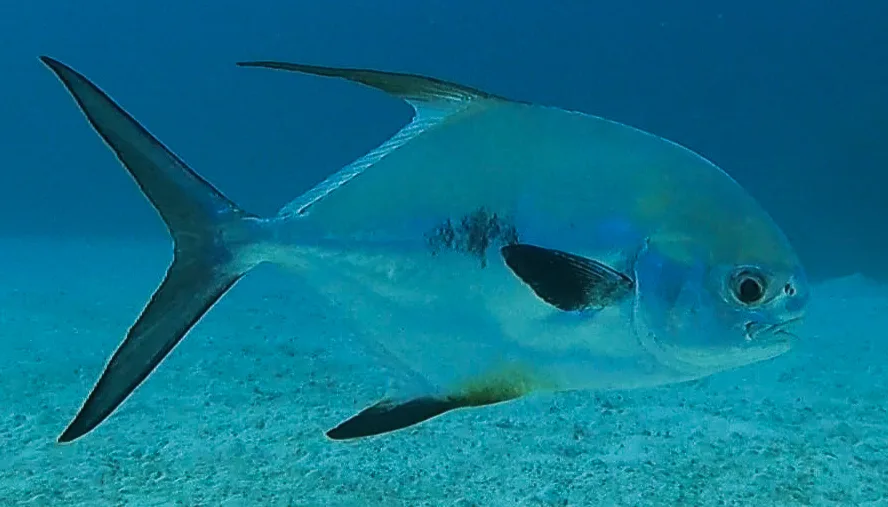
Permit
Photo: Dan Schofield / CC BY 4.0, via Wikimedia Commons

Flats

Permit

Trachinotus falcatus

How to spot it
Deep, round silver body with long sickle-shaped fins and a blunt head.
Where
Flats edges, channels and wrecks.
Eating
Catch and release on the flats.
Rules
Flats fishing licence required.
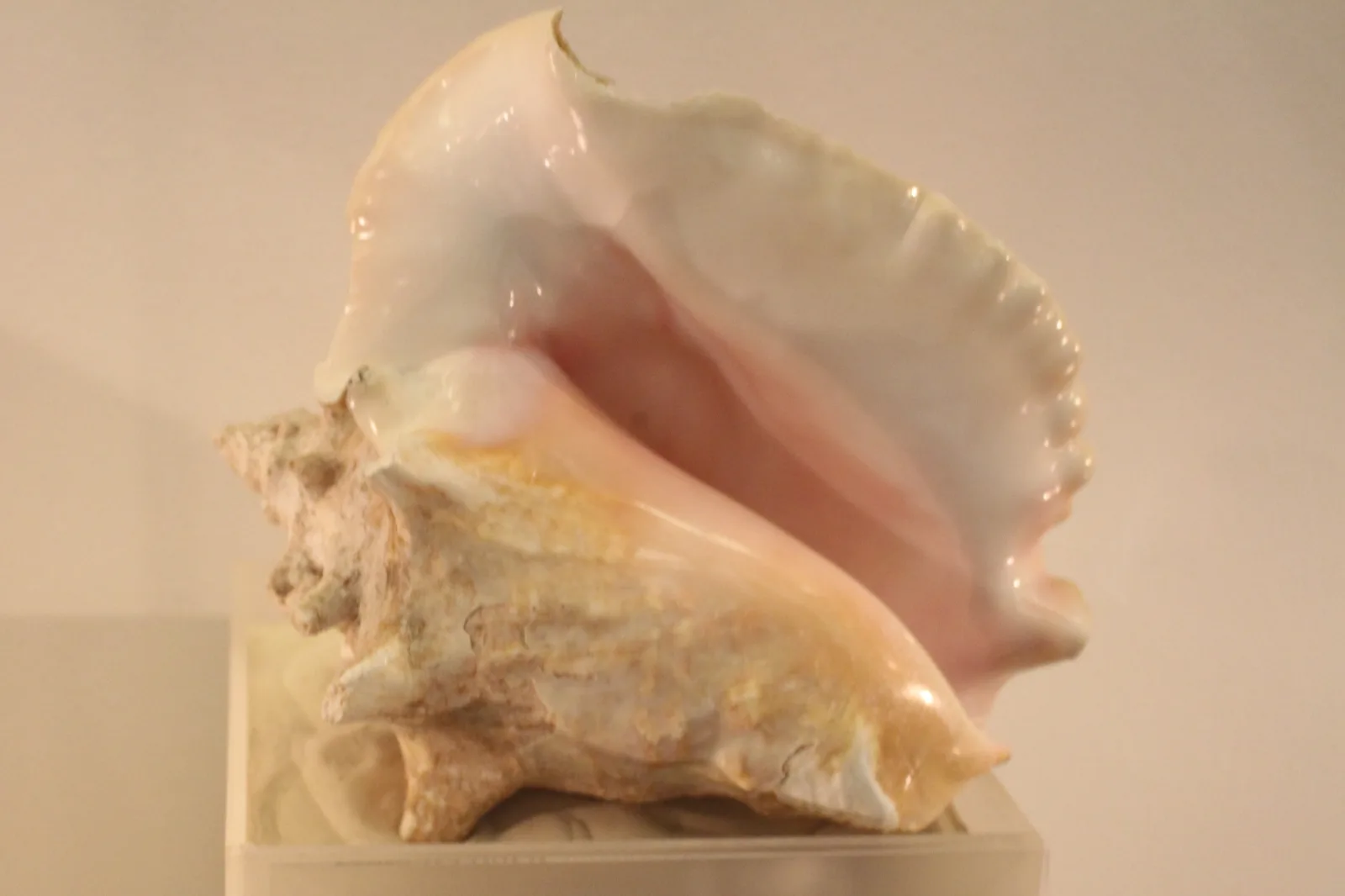
Queen conch
Photo: Emőke Dénes / CC BY-SA 4.0, via Wikimedia Commons

Shellfish

Queen conch

Aliger gigas

Locals say: Conch

How to spot it
Large pink-lipped spiral shell. Adults have a thick, flared lip.
Where
Seagrass beds and sandy bottoms.
Eating
Cracked, fritters, salad — a national dish.
Rules
Only take conch with a well-formed lip. Limit 6 per vessel.

Ciguatera is a natural toxin found in some large reef fish. If in doubt, ask a local before you eat it. Rules summarized here can change, so check the seasons page and the Department of Marine Resources.